
How Does the Tata Nexon Rain and Light Sensor Work?
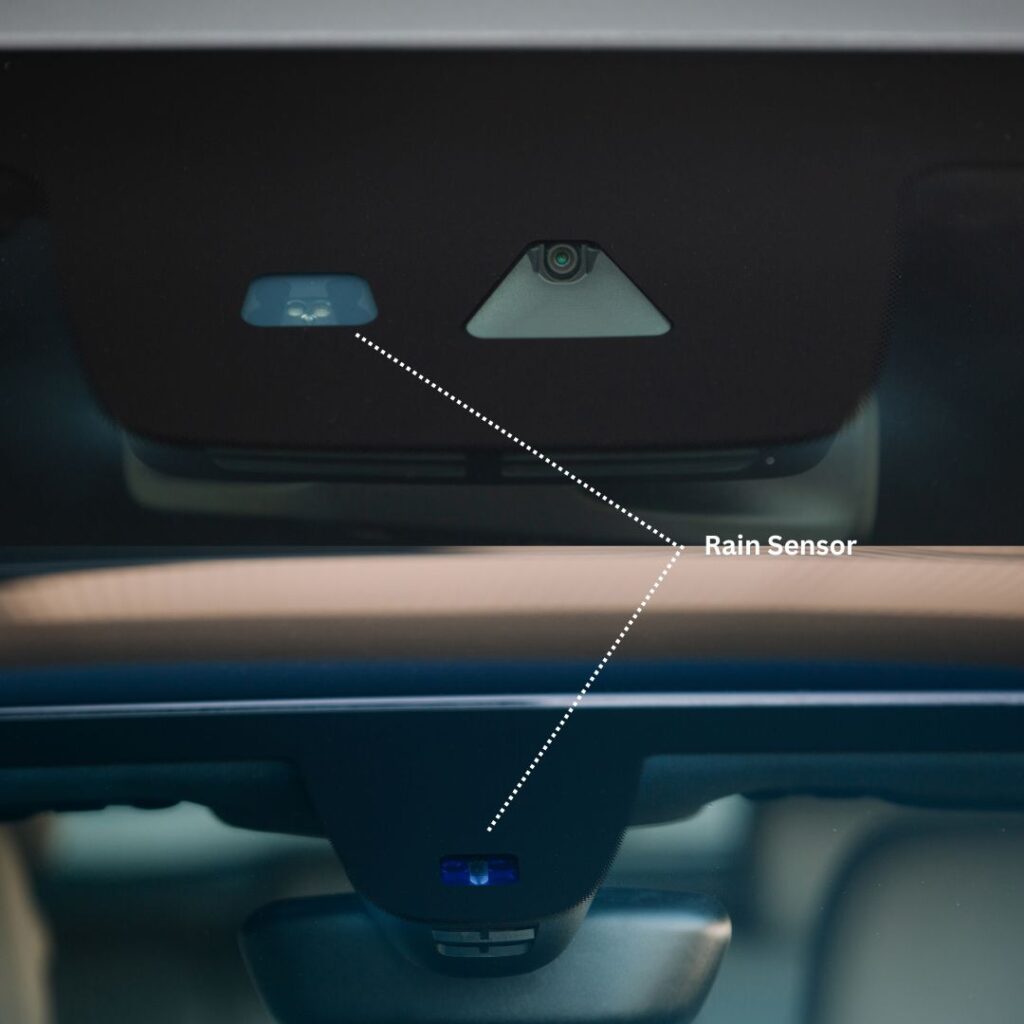
Modern Tata Nexon models have a combined rain and light sensor installed behind the windshield, near the rear-view mirror. This smart module performs two important functions:
Two sensors — one module behind the windshield
Auto Wiper Sensor
Detects raindrops on the windshield and activates wipers automatically based on rainfall intensity
Ambient Light Sensor
Measures surrounding light and automatically switches headlights on or off as conditions change
The sensor doesn't directly touch the glass. Instead, it uses a Transparent Silicon Gel interface that creates an optically clear connection. Without this gel layer, the sensor cannot accurately read changes in light or moisture — even if the windshield itself is brand new.
What Is a Windshield Sensor Gelpad?
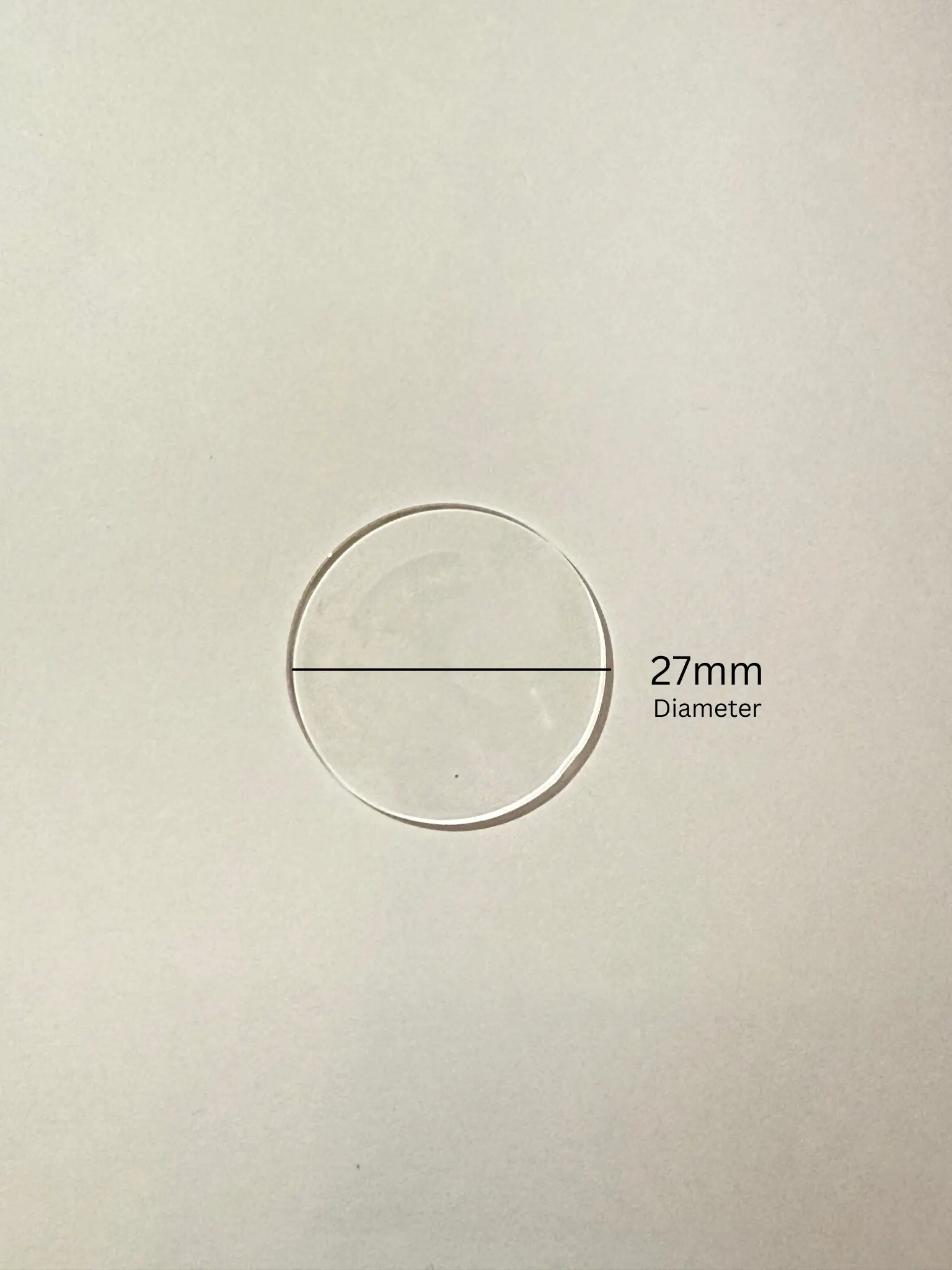
Transparent optical gel — small but critical
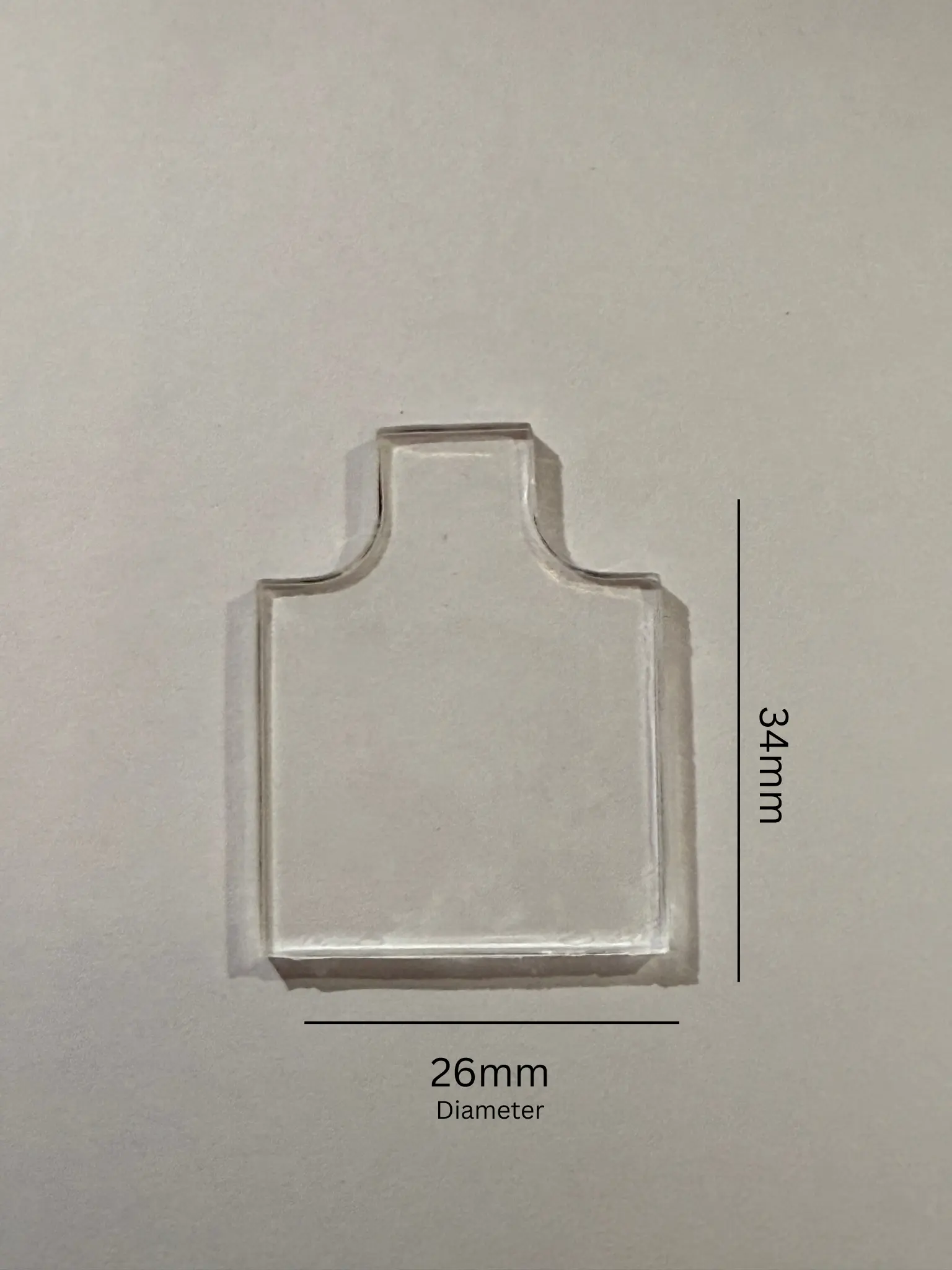
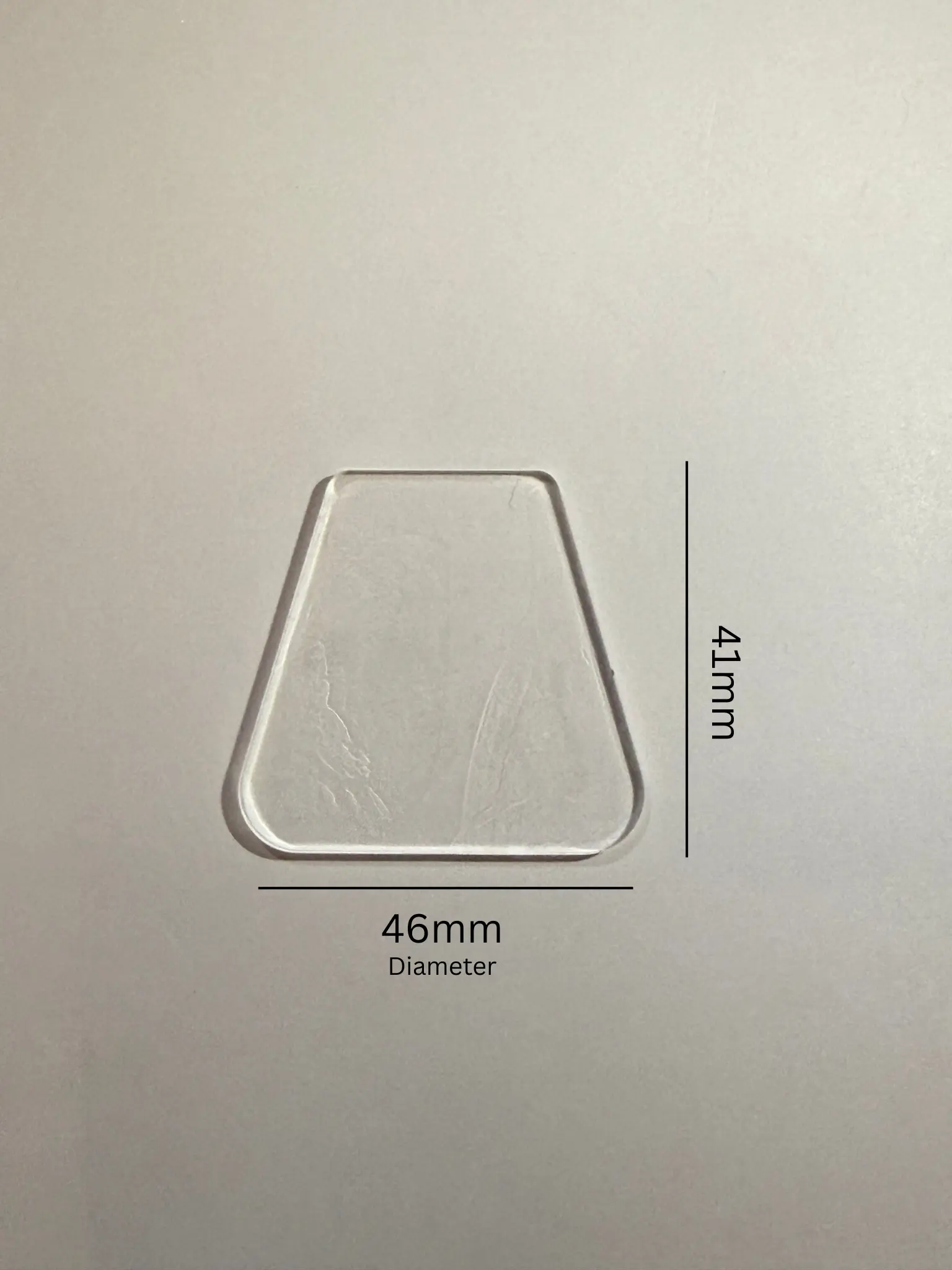
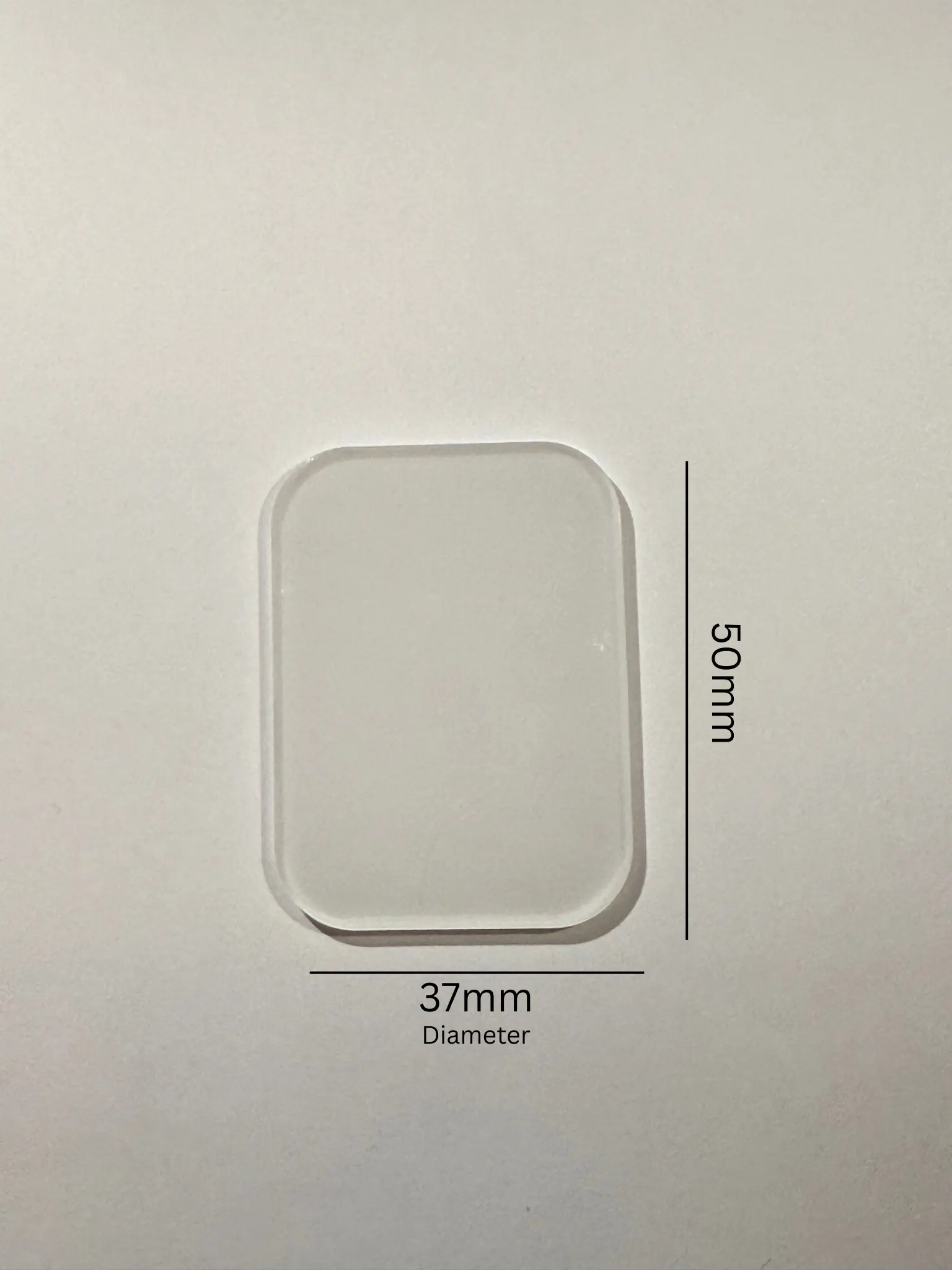
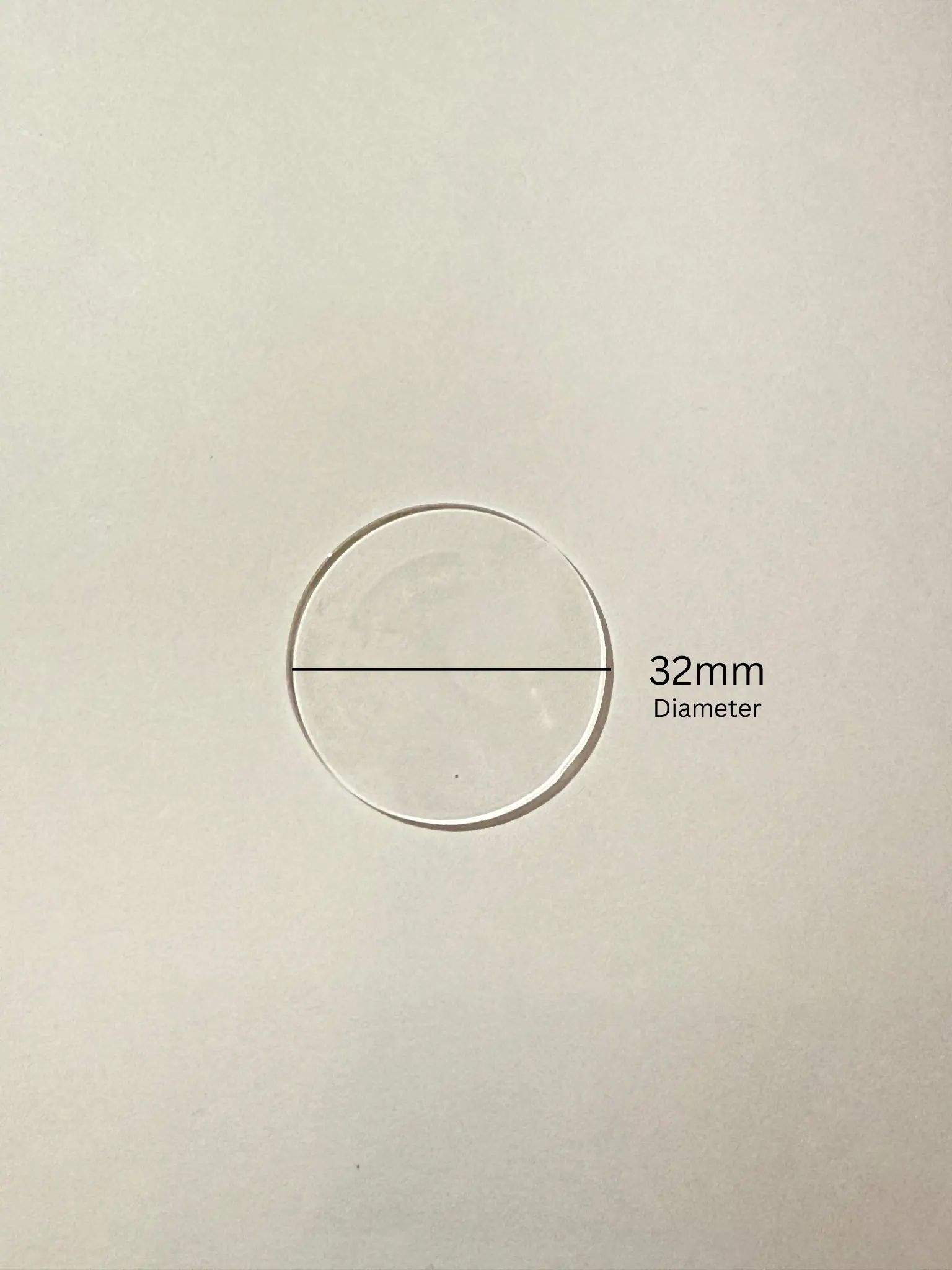
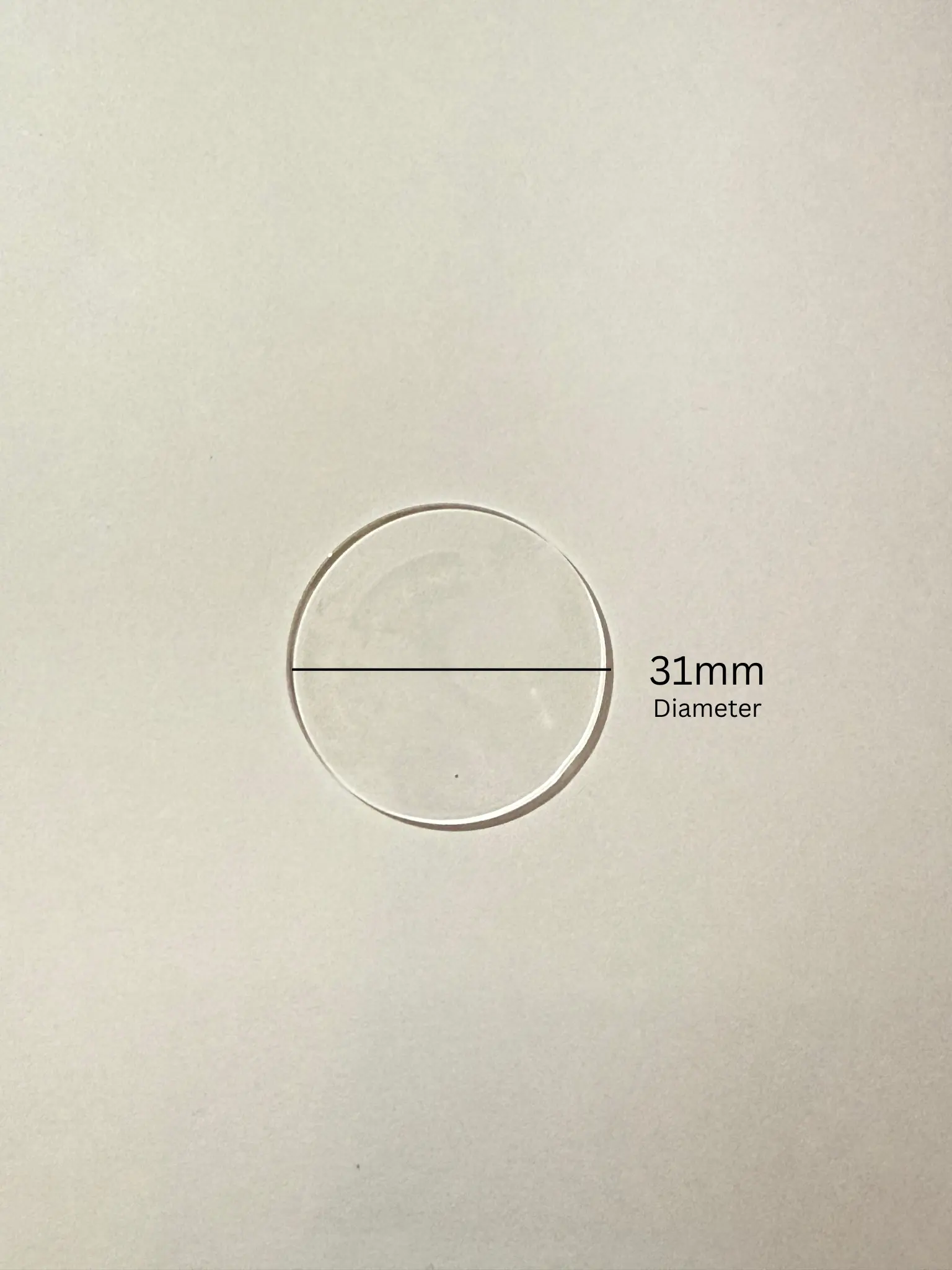
A Windshield Sensor Gelpad is a transparent optical gel placed between the rain/light sensor and the windshield. In many Tata Nexon models, a Round shape gelpad is used specifically for the rain sensor assembly.
- Eliminates air gaps between sensor and glass
- Improves optical clarity for accurate sensing
- Ensures accurate rain detection
- Enables proper ambient light sensing
- Maintains consistent sensor performance
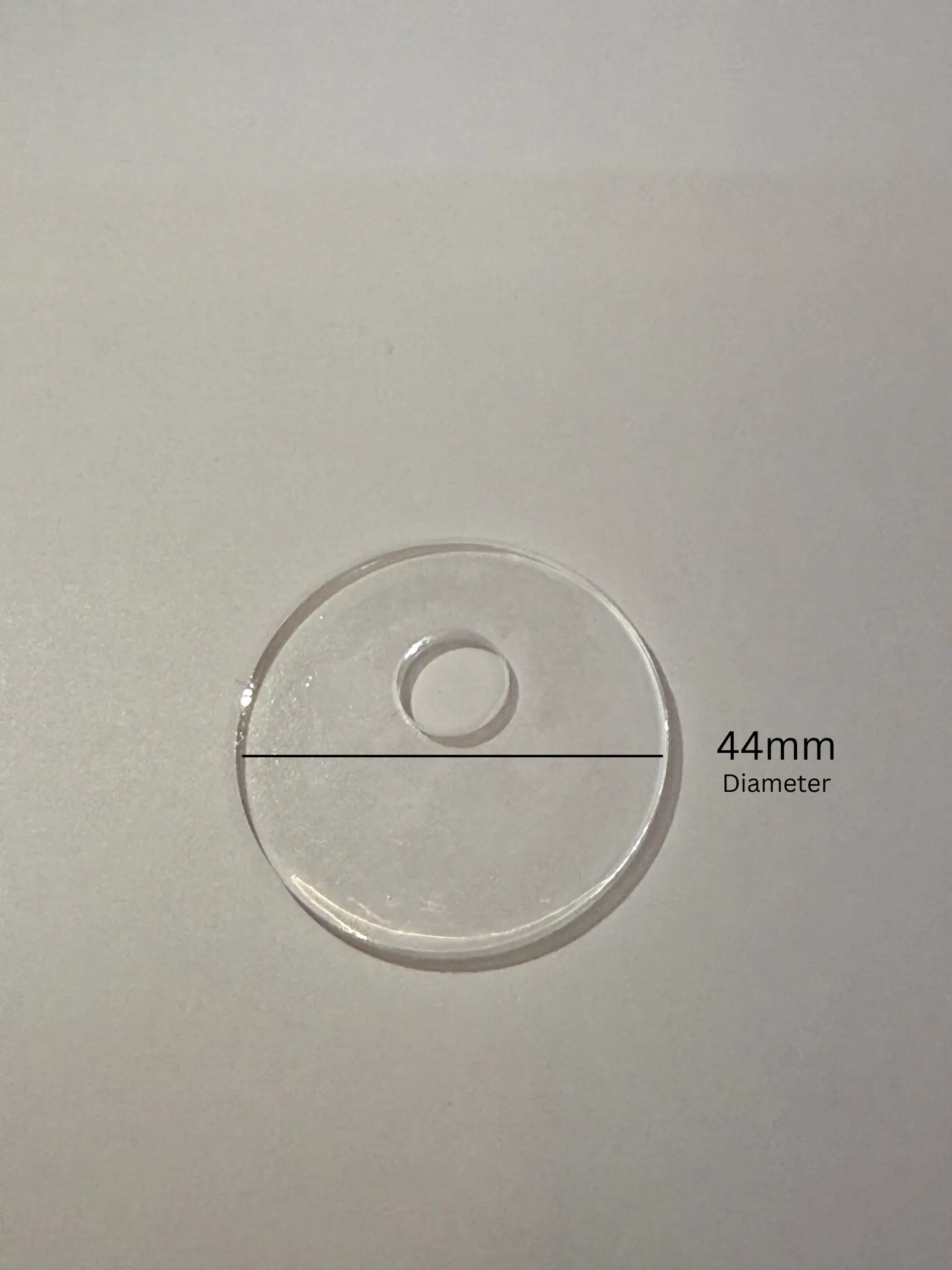
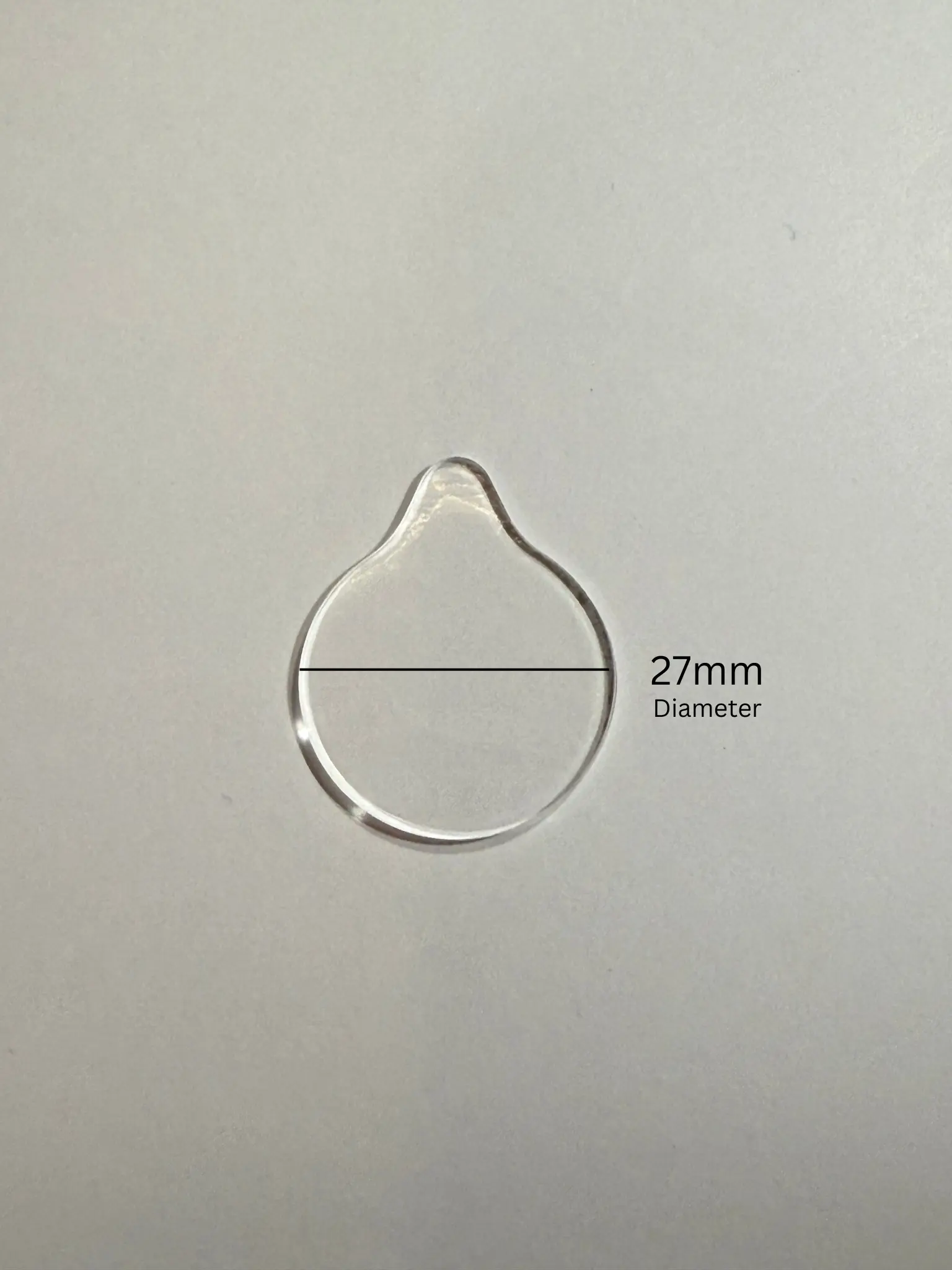
Why Does the Gelpad Need Replacement?
Whenever a car windshield replacement is performed, the original gel pad usually cannot be reused. Reasons include:
- It loses adhesion while removing the old windshield
- Dust particles get trapped inside the gel layer
- Air bubbles develop during the removal process
- The gel stretches or tears during separation from the glass
- Optical clarity reduces significantly once the seal is disturbed
Reusing an old gel pad often leads to sensor malfunction — even if the sensor itself is perfectly fine and the new windshield has been installed correctly.
Common Signs of a Faulty Rain and Light Sensor Gel
If your Tata Nexon shows any of these symptoms after a windshield replacement, the gel pad may need replacement:
Automatic wipers behave unpredictably
The auto wiper sensor starts wiping on a dry windshield, or doesn't respond during actual rainfall when it should.
Headlights don't switch automatically
The windshield light sensor gel may not be transmitting ambient light correctly to the sensor module.
Delayed rain detection
The sensor reacts several seconds after rain begins — indicating poor optical contact through the gel layer.
Warning messages on dashboard
Some vehicles display sensor-related error messages after windshield replacement without proper gel pad reinstallation.
Air bubbles visible behind the sensor
Visible bubbles between the sensor and glass usually indicate a damaged or improperly installed windshield rain sensor gel.
Why Choosing the Correct Transparent Silicon Gel Matters
Not all gel pads are equal — here's what genuine quality provides:
Low-quality alternatives often become cloudy over time or lose adhesion — causing recurring sensor issues and requiring repeated replacements.
Gel Pad Replacement Process at Star Glass House
At Star Glass House in Ahmedabad, the replacement process is carried out with precision to restore factory-level sensor performance:
Sensor Inspection
Our technicians inspect the rain and light sensor for any physical damage before proceeding with replacement.
Old Gel Removal
The damaged or contaminated gel pad is carefully removed without affecting the sensor unit or surrounding components.
Surface Cleaning
Both the sensor and windshield surfaces are thoroughly cleaned to ensure perfect bonding of the new gel.
New Gelpad Installation
A new Round shape gelpad with premium Transparent Silicon Gel is installed with precision to ensure full, even coverage.
Sensor Alignment
The sensor is positioned accurately to ensure full and even contact with the windshield across the entire gel surface.
Functional Testing
The rain sensor and automatic headlights are tested to verify factory-level operation has been fully restored.
Can Insurance Cover Windshield Replacement?
Many comprehensive insurance policies include car windshield replacement under insurance, making the repair more affordable for Tata Nexon owners. Coverage may include:
Tips to Keep Your Rain and Light Sensor Working Properly
Avoid sticking accessories near the sensor area behind the rearview mirror
Replace cracked windshields promptly before damage spreads to the sensor zone
Never reuse a damaged or old gel pad — always insist on a fresh replacement
Keep the windshield clean, especially around the sensor mounting area
Choose experienced professionals for all windshield work on sensor-equipped vehicles
Inspect and test the sensor after any windshield replacement or service visit
Conclusion
The rain and light sensor in your Tata Nexon is designed to make driving safer and more convenient. However, its performance depends not only on the sensor itself, but on the condition of the Windshield Sensor Gelpad and the quality of installation.
If you've recently replaced your car windshield or noticed your automatic wipers or headlights behaving unexpectedly, replacing the windshield light sensor gel or windshield rain sensor gel could be the solution. For reliable windshield replacement, premium sensor gel installation, and expert car windshield replacement under insurance, trust Star Glass House in Ahmedabad.