
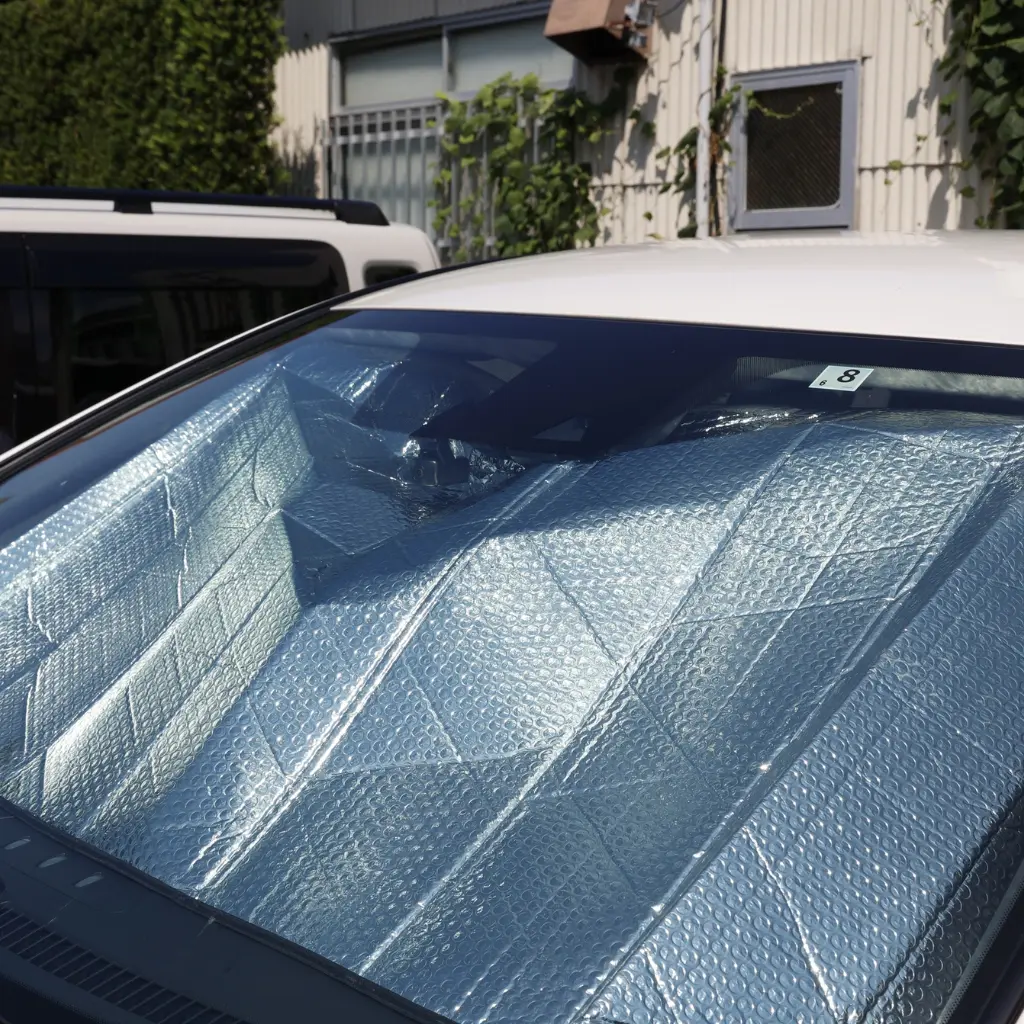
Your car windshield does much more than block wind and dust. It supports your vehicle’s structural integrity, protects passengers in accidents, and helps modern safety systems, such as ADAS cameras and rain sensors, function properly. So when it comes to windshield replacement, choosing between OEM windshields and aftermarket windshields becomes an important decision.
Many car owners assume all windshields are the same until they notice issues like distorted visibility, unusual wind noise, improper fitting, or sensor malfunction after a replacement. Understanding the difference between OEM and aftermarket options can help you make the right choice for your vehicle, safety, and budget.
What Are OEM Windshields?
OEM stands for Original Equipment Manufacturer. OEM windshields are manufactured by the same company that originally supplied the glass for your vehicle. These windshields are built according to the exact specifications set by the car manufacturer.
That means the thickness, curvature, tint, fitment, and clarity are designed to match your original car windshield perfectly.
Benefits of OEM Windshields
Perfect Factory Fit
OEM windshields are designed specifically for your vehicle model. This ensures proper fitting without gaps, alignment issues, or installation complications.
Better Compatibility With ADAS Features
Modern vehicles rely heavily on cameras and sensors mounted near the windshield. OEM glass helps maintain accurate calibration for features like:
- Lane departure warning
- Automatic emergency braking
- Rain-sensing wipers
- Heads-up display (HUD)
Studies and industry reports highlight how windshield optical quality directly impacts AI-based driver assistance systems.
High Optical Clarity
OEM windshields generally offer excellent visibility with minimal distortion, making driving safer and more comfortable.
Manufacturer Warranty
Many OEM windshields come with manufacturer-backed warranty coverage, which gives additional peace of mind.
Contact us on the below link for your car windshield replacement
Drawbacks of OEM Windshields
Higher Cost
OEM glass is usually more expensive compared to aftermarket windshields because it carries the vehicle manufacturer’s approval and branding.
Limited Availability
In some cases, OEM windshields may need to be specially ordered, increasing replacement time.
What Are Aftermarket Windshields?
Aftermarket windshields are produced by third-party manufacturers rather than the original vehicle supplier. These windshields are designed to fit multiple vehicle models while still meeting safety standards.
Today, many reputed aftermarket manufacturers produce high-quality auto windshield replacement glass that performs extremely well when installed correctly.
Benefits of Aftermarket Windshields
More Affordable
One of the biggest advantages of aftermarket windshields is cost savings. They are generally much cheaper than OEM options, making them a popular choice for car windshield replacement.
Easier Availability
Aftermarket glass is widely available for most vehicle models, which helps speed up windscreen replacement services.
Meets Safety Standards
Most quality aftermarket windshields comply with government safety regulations and industry standards.
Drawbacks of Aftermarket Windshields
Possible Fitment Variations
Since aftermarket manufacturers are not directly linked to the car brand, slight differences in shape, thickness, or curvature can sometimes occur.
Sensor & Camera Calibration Issues
Lower-quality aftermarket windshields may affect the accuracy of ADAS systems, especially in luxury or newer vehicles.
Optical Distortion
Some drivers notice mild visibility distortion or differences in tint compared to OEM glass.
Contact us on the below link for your car windshield replacement
OEM vs. Aftermarket Windshields: Key Differences
Feature
Manufacturer
OEM Windshields
Original supplier
Aftermarket Windshields
Third-party manufacturer
Fit & Finish
Exact factory specifications
May slightly vary
Cost
Higher
More budget-friendly
ADAS Compatibility
Excellent
Depends on quality
Warranty
Manufacturer-backed
Varies by brand
Optical Clarity
Premium quality
Can vary
Which Windshield Option Is Better?
The answer depends on your vehicle, driving habits, and budget.
Choose OEM Windshields If:
- You own a luxury or premium vehicle
- Your car has advanced driver assistance systems
- You want factory-level fit and finish
- You plan to keep the vehicle long-term
Choose Aftermarket Windshields If:
- You want a cost-effective windshield replacement
- Your vehicle is older
- You need quick availability
- You choose a trusted auto glass service provider
The quality of installation matters just as much as the type of glass. Even the best windshield can cause issues if installed improperly.
Contact us on the below link for your car windshield replacement
Can Aftermarket Windshields Be Safe?
Yes — high-quality aftermarket windshields can absolutely be safe when they meet certified automotive safety standards and are installed correctly. In fact, several industry experts and technicians mention that reputable aftermarket glass often performs similarly to OEM products.
However, not all aftermarket glass is equal. Cheap, low-grade products may lead to:
- Poor visibility
- Increased wind noise
- Water leakage
- Faster windshield damage
- Improper sensor functioning
This is why choosing an experienced windshield replacement company becomes essential.
Signs You Need a Windshield Replacement
Whether you choose OEM or aftermarket glass, you should never delay replacing a damaged windshield. Common warning signs include:
- Large cracks or chips
- Cracks spreading across the glass
- Distorted driver visibility
- Edge cracks
- Water leakage
- Repeated windshield damage
Driving with a damaged car windshield can compromise both safety and visibility.
Final Thoughts
Choosing between OEM windshields and aftermarket windshields is not about finding a universally “better” option — it’s about selecting the right fit for your vehicle and driving needs.
If you prioritize factory precision, advanced safety system compatibility, and premium quality, OEM windshields are often worth the investment. On the other hand, high-quality aftermarket windshields can provide reliable performance and excellent value for everyday drivers looking for affordable auto windshield replacement solutions.
No matter which option you choose, always ensure your car windshield replacement is handled by experienced professionals using certified automotive glass. A properly installed windshield not only improves visibility but also plays a critical role in your vehicle’s overall safety.